
The Wild Next Door
The wild neighbours of Beijing, Shanghai and Hong Kong
Image by Daphne Wong
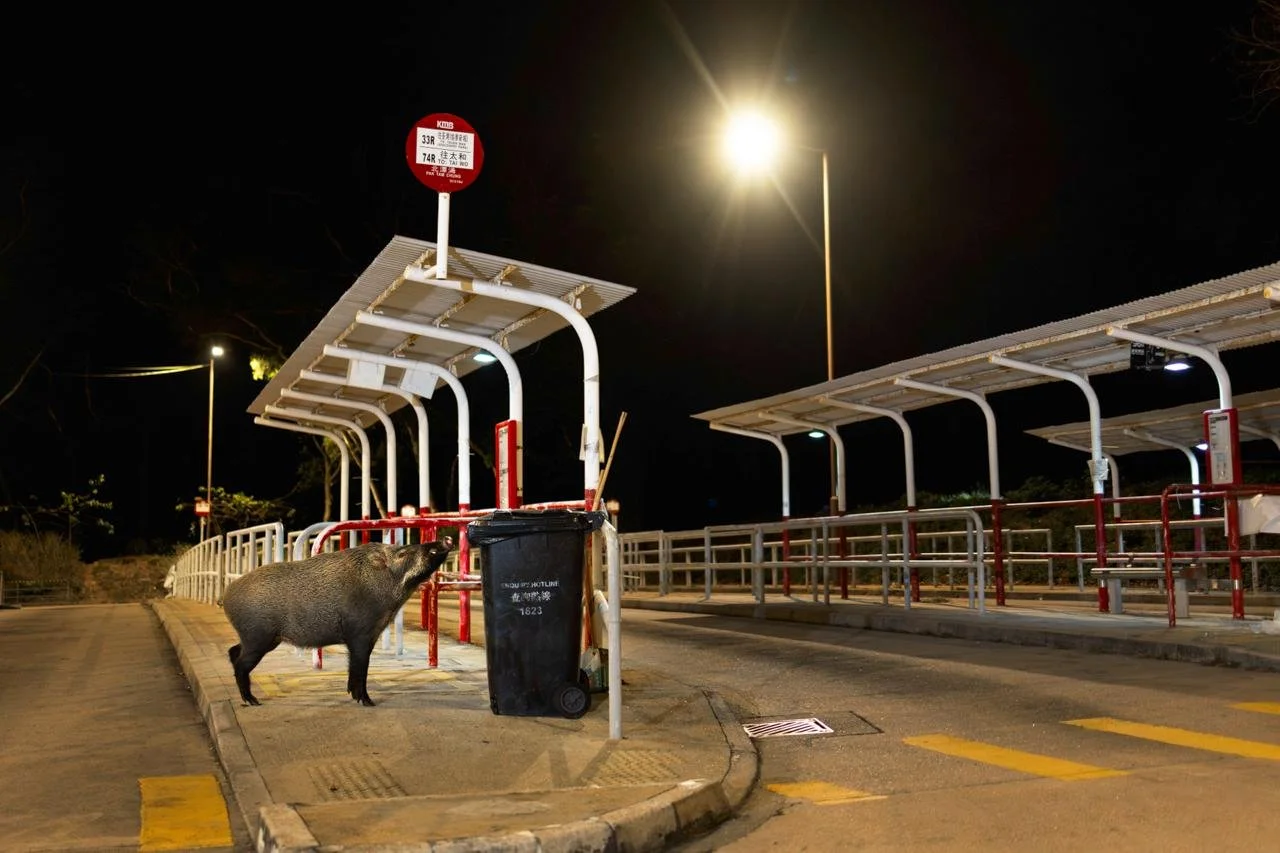
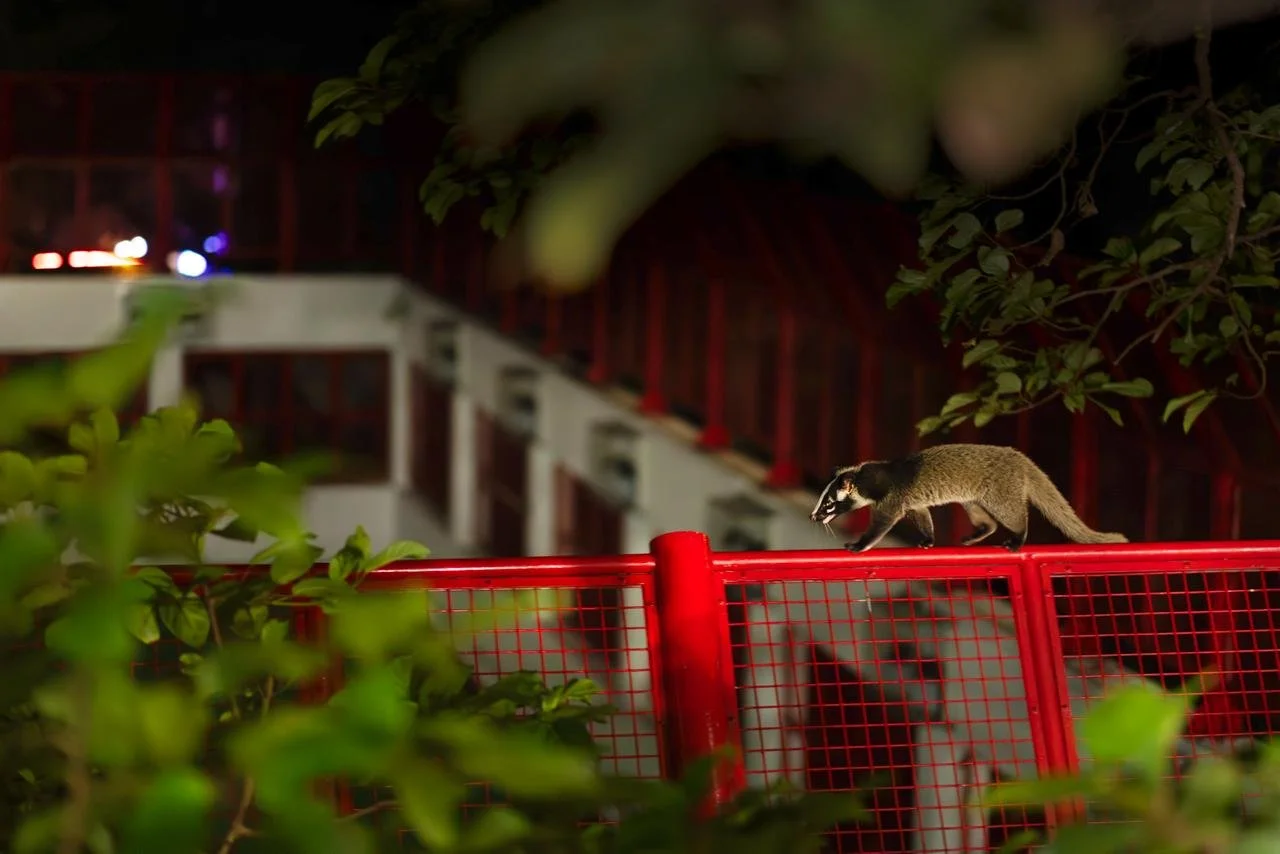
Image by James KwokImage by James Kwok3 × 52-minute natural history documentary series
In development · Seeking funding and international co-production partners
Tens of millions of people call these cities home. So does wildlife.
What would a city look like if you could slip beneath a garden gate or land on its highest rooftop? A gap in an ancient building becomes a home. Shrubs beside an apartment block conceal a growing family. Familiar streets reveal another network of routes, shelters, and feeding grounds.
The Wild Next Door follows animals finding food, raising young, and navigating daily life in Beijing, Shanghai, and Hong Kong. As they learn to live alongside us, the series asks a question of their human neighbours: how can we be better neighbours in return?
Wild Beijing: The Other City
For a swift returning from Africa, Beijing’s historic buildings offer a place to nest. Researchers track the journeys connecting these birds with another continent, while a pair of kestrels may choose an air-conditioning platform as their nursery.
After dark, hedgehogs emerge from hedges and weasels travel through hutongs. Courtyards, temples, and parks provide shelter, but crossing a road or finding a meal can bring danger.
Following courtship and nesting in spring through the search for food in winter, this episode reveals the wild routines unfolding among Beijing’s monuments and neighbourhoods. Some of these animals, including foxes, weasels, and hedgehogs, have also inhabited the city’s folklore for centuries.
Wild Shanghai: Living with Raccoon Dogs
As residents return home, another family prepares to leave.
A raccoon dog emerges from the shrubs beside an apartment building. For a mother raising cubs, the neighbourhood must provide a safe den and enough food. Her young must learn to negotiate walls, avoid cars, and keep their distance from dogs.
Leftovers, pet food, and deliberate feeding bring animals and people closer, while residents, property managers, and researchers work out how to share the space.
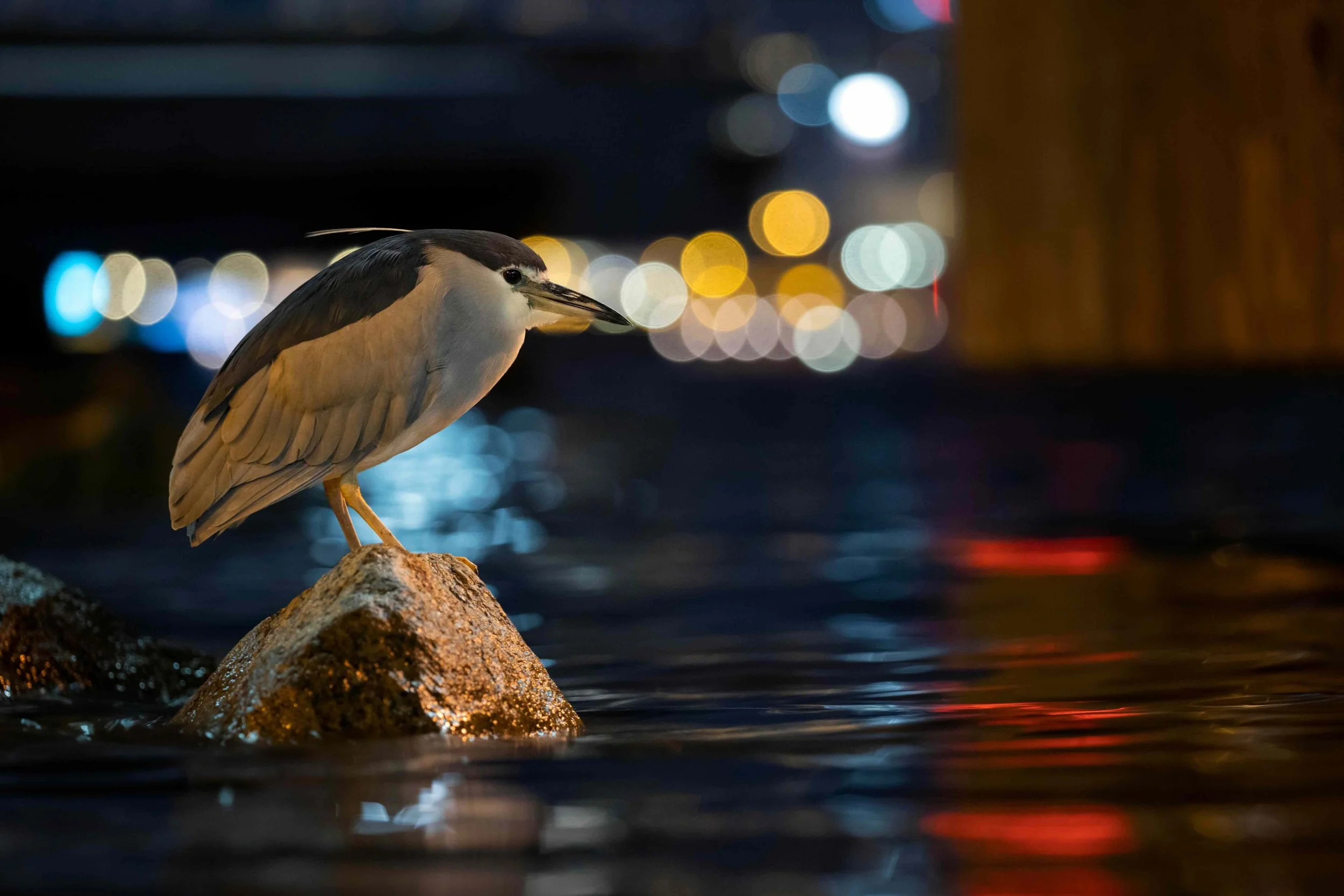
Following the city’s waterways, the story expands to waterbirds along Suzhou Creek and the Huangpu River, then to migrating flocks resting in the Yangtze Estuary. Beyond the shoreline, finless porpoises extend this portrait of a city connected by water.
Wild Hong Kong: No Buffer Zone
A wild boar leaves the forest and follows gaps, drains, and grassy slopes towards residential streets. Food left by people makes the journey worthwhile, but residents may feel differently about meeting a powerful animal outside their homes.
Here, woodland and urban life lie close together. Macaques watch for food, while animals negotiate roads, fences, and concrete channels.
Further out, Mai Po and Deep Bay support migrating birds and elusive otters. Chinese white dolphins move through busy coastal waters, while horseshoe crabs and corals share the shoreline and sea with human activity.
With little space between habitats and homes, coexistence becomes an everyday question.
An Invitation to Collaborate
The Wild Next Door invites audiences to look again at familiar places through the lives already unfolding around them.
We are seeking funding and international co-production partners to develop and produce this three-part series.
Contact Primal Films to request the full proposal and discuss a potential partnership.
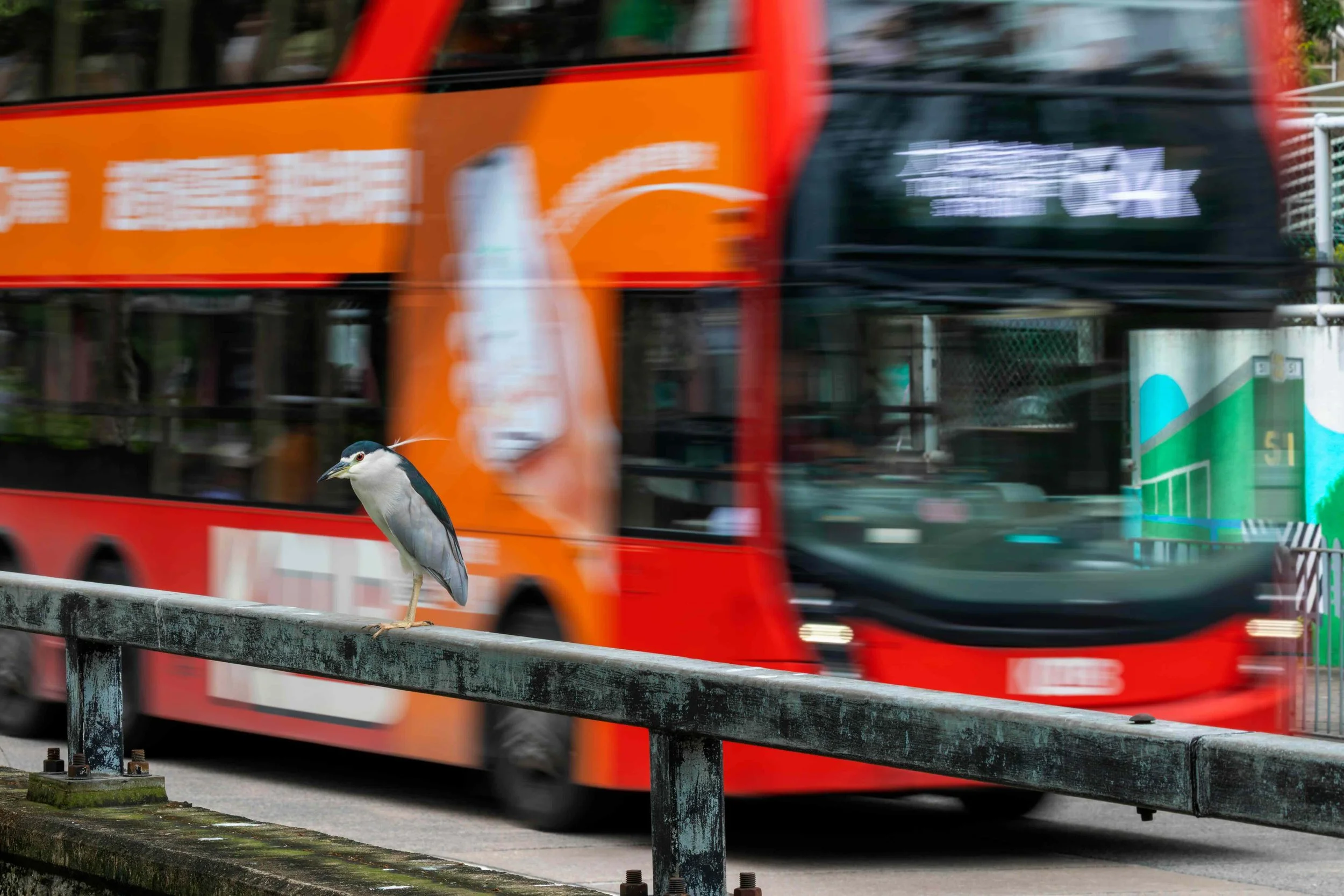
Image by James Kwok